12 October 2026 The Front for the Refoundation of the Nation was founded in Goma. The installation phase is open. Join the Front
Democratic Republic of Congo Siège : Goma, Nord-Kivu mardi 27 octobre 2026
Join us Press office
Leadership · Bodies · Oversight

Une direction unique, des comptes ouverts

On 12 October 2026 the Front equipped itself with a five-organ architecture, presented to the base cadres on 21 October. Leadership is unified, execution is daily, control is permanent.

Key points

The Front has five bodies: the College of Founders (twenty members), the Council of the Revolution (five members, the “4 + 1” formula), the Presidency (the president and his three vice-presidents), the Executive Committee and the General Secretariat. The president guarantees the political line of the Front.

Leadership
Designated unanimously on 12 October 2026

The leadership of the Front

The signatories gathered in Goma on 10 and 11 October 2026 appointed, unanimously, the leadership of the Front, pending the full establishment of the structures.

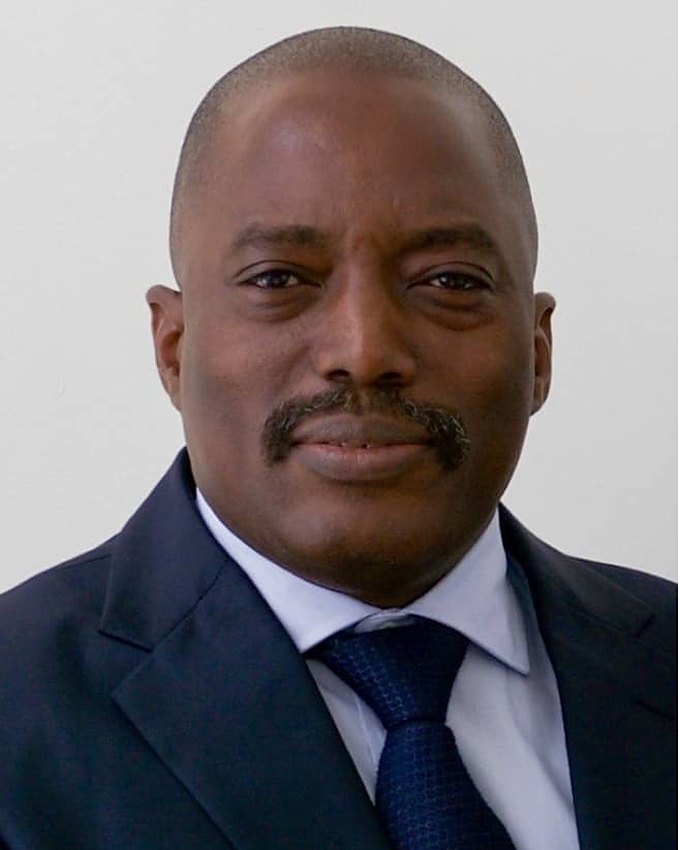
Joseph Kabila Kabange, président du Front pour la Refondation de la Nation President Archives of the Front

Joseph Kabila Kabange

President of the FRN — Honorary President of the Republic

Président de la République démocratique du Congo de 2001 à 2019. Il a conduit le processus de Doha et l’Accord pour la paix et la réconciliation en RDC, et a signé la déclaration fondatrice du Front. Son adresse à la nation du 9 octobre 2026 précède de trois jours la création du mouvement.

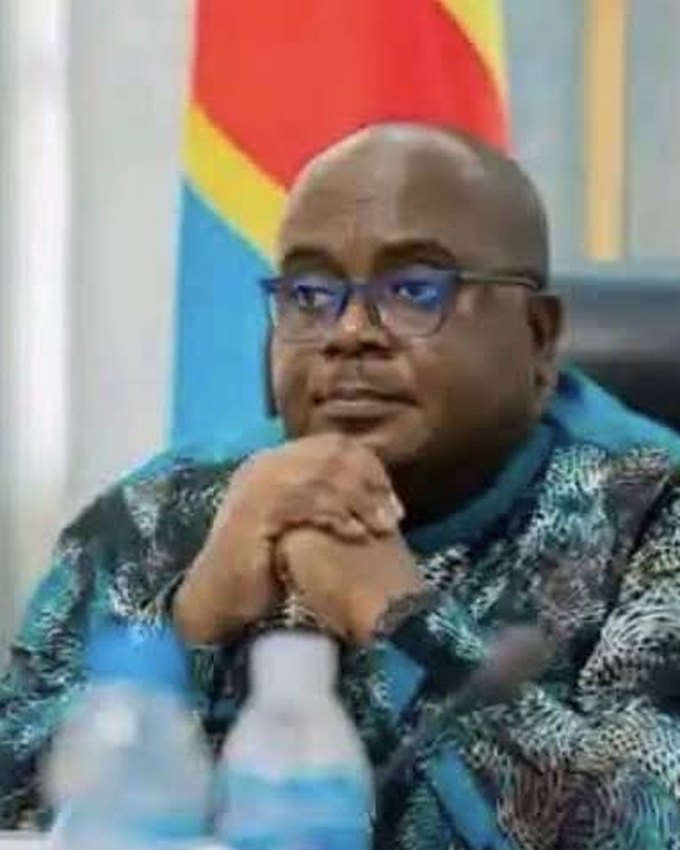
Corneille Nangaa Yobeluo, vice-président du Front Vice-President Archives of the Front

Corneille Nangaa Yobeluo

Vice-President of the FRN

Former coordinator of the Congo River Alliance. As Vice-President of the Front, he presented to the base cadres in Goma the movement’s new institutional architecture and set out the content of the political declaration.

Bertrand Bisimwa, vice-président du Front Vice-President Archives of the Front

Bertrand Bisimwa

Vice-President of the FRN

President of the 23 March Movement. He retraced the movement’s path before the base cadres and defended the idea that the change of name did not alter its objectives.

Général-Major Emmanuel Sultani Makenga, vice-président du Front et chef d’état-major de l’ARC Command Archives of the Front

Major General Emmanuel Sultani Makenga

Vice-President — Chief of the General Staff of the ARC

Commandant militaire du M23, il conserve ses fonctions de chef d’état-major général de l’Armée révolutionnaire congolaise avec rang de vice-président du Front. La direction politique et la direction militaire sont ainsi réunies dans une même chaîne de commandement.

Prof. Freddy Rukema Kaniki, secrétaire général du Front Secretariat Archives of the Front

Prof. Freddy Rukema Kaniki

Secretary-General and Coordinator of the Executive Committee

He ensures the day-to-day administrative and political management of the Front, coordinates all the activities of the organs and reports to the President.

Benjamin Mbonimpa, secrétaire général adjoint du Front Secretariat Archives of the Front

Benjamin Mbonimpa

Deputy Secretary-General and Deputy Coordinator

He assists the general secretary, coordinates the sections and cells and monitors the execution of the executive committee’s decisions.

Désiré Rukomera Rwigema, secrétaire permanent du Collège des fondateurs College Archives of the Front

Désiré Rukomera Rwigema

Permanent Secretary of the College of Founders

He holds the permanent secretariat of the organ that carries the Front’s founding authority and convenes its sessions.

Le volcan Nyiragongo dominant la ville de Goma et le lac Kivu Photographie — MONUSCO Photos — CC BY-SA 2.0
Goma, seat of the Front — at the foot of Nyiragongo.
Article 10 of the political declaration

Five bodies, one Front

“To accomplish this noble mission, the Front equips itself with the following five organs: the College of Founders, the Council of the Revolution, the President and his Vice-Presidents, and the Executive Committee.”

01

College of founders

Composé de vingt membres, il porte l'autorité originelle du Front. C'est lui qui a adopté la déclaration politique du 12 octobre 2026 et désigné la direction. Il se réunit pour les décisions fondatrices et dispose d'un secrétaire permanent.

20 membres · Secrétaire permanent
02

Council of the revolution

Five members under the “4 + 1” formula. A body for strategic direction, validation of operations and decision in crisis situations. Its decisions bind the executive organs.

5 membres — formule 4 + 1
03

The Presidency

The President and his three Vice-Presidents. The President is the guarantor of the political line and the head of the Front’s executive: he convenes the organs, approves their decisions and publicly accounts for his action.

Président + 3 vice-présidents
04

Executive committee

Daily leadership of the Front, headed by the general secretary and the deputy general secretary, coordinator and deputy coordinator. It executes decisions and coordinates all activities.

General secretariat
05

Sections and cells

The Front’s grassroots chain: territorial sections and neighbourhood and village cells, each with its council and committees. Mobilisation, political animation and permanent control are played out here.

Ancrage territorial

An architecture under construction

La direction a été désignée « en attendant la mise en place complète des structures ». La présentation du 21 octobre 2026 aux cadres de base constitue la première étape de cette mise en place ; les organes seront mis en place au fur et à mesure des assises.

Method
Charter of the Front

Sections, cells and oversight

The Charter of the Front establishes a continuous territorial organisation, trained cadres, audited accounts and a collective discipline. An institution holds only through its procedures: that is where the Front is won or lost.

ÉchelonOrgane délibérantOrgane exécutifRythme
NationalCollège des fondateurs · Conseil de la révolutionPrésidence · Comité exécutifRéunion permanente du comité exécutif
ProvincialConseil provincialBureau provincialSession ordinaire semestrielle
Section (territoire, ville)Conseil sectionnaireComité sectionnaireSession ordinaire trimestrielle
Cellule (quartier, village)Conseil cellulaireComité cellulaireRéunion hebdomadaire
Section committee

A complete team

Chaque comité de section réunit un président, un secrétaire, un trésorier, une coordinatrice chargée des femmes, un coordinateur chargé des jeunes et des conseillers. Les membres sont élus par le conseil de l'échelon pour un mandat de quatre ans, renouvelable.

Oversight

The audit office

Deux commissaires aux comptes titulaires et deux suppléants, élus pour un mandat de cinq ans. Ils contrôlent la gestion des finances et du patrimoine, vérifient la conformité des comptes et adressent chaque année leur rapport à la direction.

Discipline

Misconduct sanctioned

Reprimand, censure, suspension, exclusion or dismissal. A commission of at least three members investigates the fault; a hearing report is drawn up on the charges; the National Council is the final court of appeal.

Resources
Financial transparency

Where the Front's resources come from

The assets of the Front consist of movable and immovable property. No sale, for consideration or free of charge, may be carried out without the express authorisation of the College of Founders or the Council of the Revolution.

  • Cotisations des membres effectifs.
  • Contributions des membres d'honneur et des sympathisants.
  • Collectes, subventions, dons ou legs.
  • Recettes issues des manifestations artistiques, sociales, culturelles et sportives.
  • Produits de cession ou de location des biens.
  • Produits des activités de développement.

Accounts, not cash boxes

Les ressources financières du Front, à tous les échelons, sont logées dans un compte en banque ou dans toute autre institution financière agréée. Chaque année, le budget est adopté par l'organe délibérant et contrôlé par le commissariat aux comptes.

Questions
Frequently asked questions

What we are asked most

What are the five bodies of the Front?

The College of Founders, which carries the Front's original authority and has twenty members; the Council of the Revolution, the strategic steering body with five members under the “4 + 1” formula; the Presidency, the president and his three vice-presidents; the Executive Committee; and the General Secretariat, responsible for day-to-day administration.

Who leads the Front?

Joseph Kabila, president of the Front, guarantees its political line. The leadership was appointed by the College of Founders, which adopted the political declaration of 12 October 2026. The three vice-presidents are Corneille Nangaa Yobeluo, Bertrand Bisimwa and Emmanuel Sultani Makenga; the Secretary-General is Freddy Rukema Kaniki.

How does the Front control its resources?

The Front's resources come from membership fees, donations and contributions. The Front publishes the composition of its resources, how they are used, and the reports of its bodies. This transparency is one of the eight principles of the movement, alongside integrity.

Get involved

The Front's bodies are filling up. Join them.